The Infrastructure of Shared Life
High-pressure environments often prioritize external output over internal stability. When professional demands scale, the private architecture of a partnership can begin to show structural fatigue. Treating companionship as an intentional project requires a shift from viewing a relationship as a passive refuge to seeing it as an active construction. A well-built life together requires the same precision as a complex architectural commission. It starts with identifying the load-bearing elements that keep the structure standing when the weight of career ambition or external crisis increases.
Defining the Load-Bearing Elements of Trust
Trust is the foundation of any enduring bond, yet it is rarely analyzed for its technical properties. In the context of a high-functioning life, trust is the predictive reliability of a partner. It is the assurance that the shared blueprint remains the priority even when individual roles shift. This reliability is not built through grand gestures but through the consistent application of small, deliberate actions that reinforce the integrity of the partnership.
The Technical Reality of Relational Stability
Stability is achieved when both individuals understand that their private world has its own set of rules and physics. It is a calculated agreement to protect the internal culture of the home from the volatility of the outside market. By treating trust as a structural requirement rather than a vague feeling, partners can address cracks in the foundation with engineering logic instead of emotional reactivity.
The Mechanics of Sustaining Human Bonds
Sustaining a bond over decades requires more than just shared interests. It requires a system for maintenance. Many high-achievers apply rigorous standards to their work while leaving their primary relationships to chance. A proactive approach involves setting up high-fidelity protocols that ensure information and emotion flow without obstruction.
Establishing High-Fidelity Communication Protocols
Clear communication is the signal that prevents the noise of daily life from causing a disconnect. High-fidelity protocols involve creating specific times and methods for checking in that are as non-negotiable as a board meeting. This ensures that minor grievances are addressed before they become structural failures. It is about creating a safe frequency where both partners can be heard with precision and clarity.
Moving Beyond Passive Interaction to Active Curation
Passive interaction is the default state of many modern adults where time spent together is merely co-existing in the same space. Active curation is the deliberate act of choosing shared experiences that reinforce the narrative of the partnership. This involves selecting activities that contribute to the long-term health of the bond rather than just filling time. It is the difference between maintaining a building and letting it slowly weather away.
Structural Resilience in Times of Professional Stress
Professional stress is often the most significant external force acting upon a partnership. Resilience is built by anticipating these stresses and creating a buffer zone. When one partner is in a high-intensity phase of their career, the other must understand the shift in the load-bearing requirements. This is not about one person doing more, but about the partnership as a whole adjusting its center of gravity to remain balanced.
Maintaining Connection During Career Scaling
Scaling a career often involves longer hours and higher stakes. To prevent the partnership from becoming a casualty of professional growth, it is necessary to integrate the career narrative into the relationship narrative. Partners should be aware of each other's professional landscape so that the stress of the job feels like a shared challenge rather than an individual burden that creates distance.
The Architecture of the Domestic Space
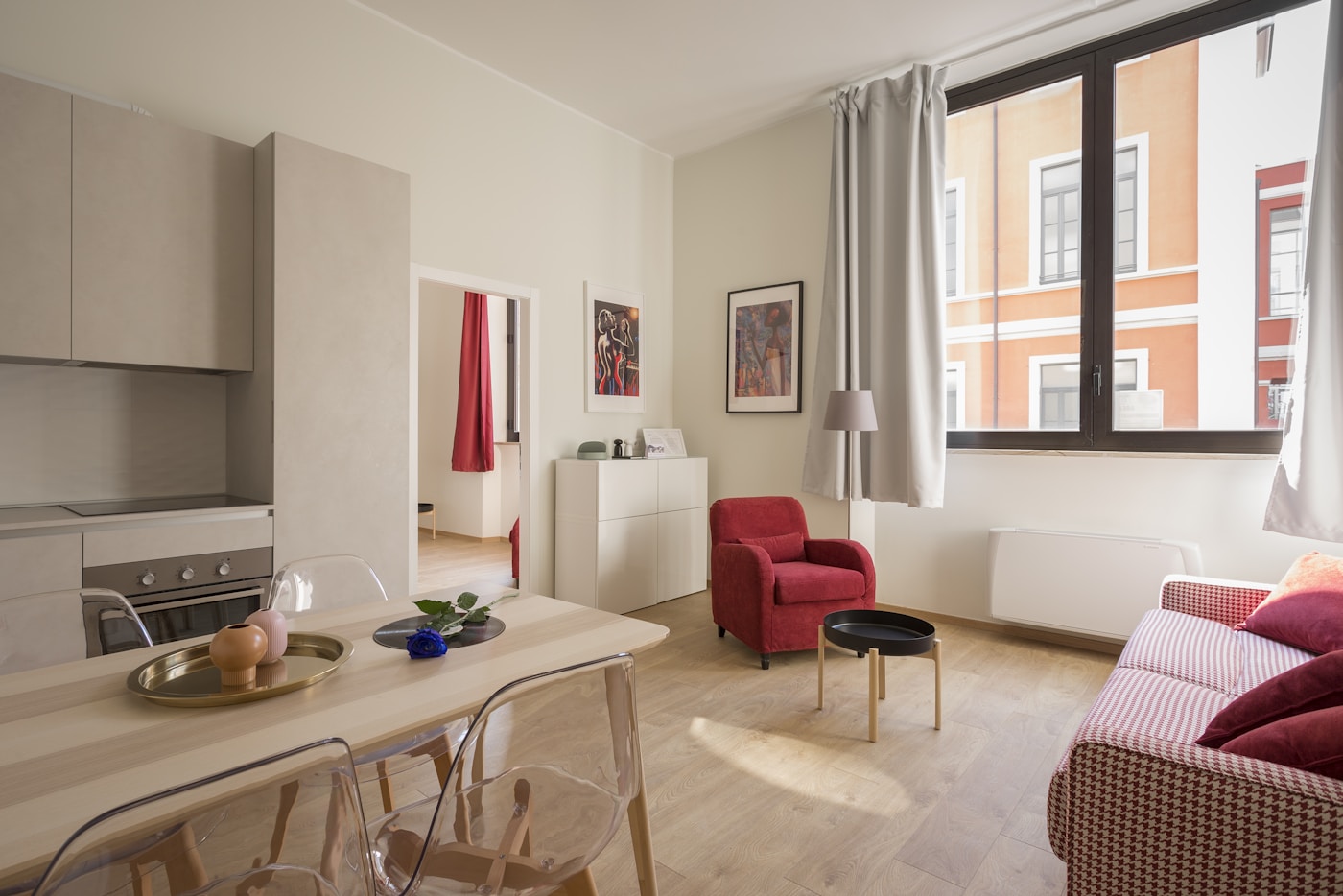
The physical environment plays a significant role in how partners interact. A home should be more than a place to sleep; it should be an instrument for emotional regulation and domestic harmony. How a space is organized can either facilitate connection or create unnecessary friction points.
Designing Systems for Shared Emotional Regulation
A home should be designed to support the emotional needs of its inhabitants. This involves creating spaces that allow for both shared activity and quiet solitude. When the physical layout of the home respects the need for different emotional states, it reduces the likelihood of conflict. Systems for shared regulation might include morning rituals or evening routines that use the domestic environment to signal a transition from the professional world to the private one.
The Logistic Logic of a Harmonious Household
Harmony is often the result of good logistics. When household management is treated as a collaborative system, it prevents the resentment that comes from an unequal distribution of invisible labor. By applying the same efficiency to domestic tasks as one would to a business operation, partners can free up mental energy for deeper connection.
Narrative Alignment and Long-Term Legacy
The final layer of the relationship blueprint is the shared narrative. This is the story a couple tells about where they have been and where they are going. A strong narrative provides a sense of purpose and direction that extends beyond immediate goals.
Crafting a Unified Story for the Future
Alignment occurs when both partners see themselves as co-authors of a single, cohesive story. This involves regular discussions about long-term values and the legacy they wish to build. A unified story acts as a compass, guiding the couple through difficult decisions and ensuring that their individual growth remains compatible with their shared journey.
Investing in Social Capital as a Partnership
Legacy is not just about what is left behind, but about the impact a partnership has on its wider community. By investing in social capital together, a couple builds a network of support and influence that reinforces their own bond. This collaborative approach to social life turns the partnership into a force for broader contribution, creating a legacy that is more significant than what either individual could achieve alone.